




Oral Cancer Self-Screening: Why Everybody’s Doing It (Or Should Be)
Oral cancer has a bad reputation for being more deadly than some other forms of cancer that you hear of more commonly. We are here to tell you that it doesn’t have to be that way. Oral cancer goes unnoticed, not because it is difficult to see or feel, but because the idea of regular oral cancer screenings (either at home or in our office) is rather new. It simply has not been on the public health radar until now.
That is why we want to get the word out, and we need your help! Examining the neck, throat and oral cavity is a relatively simple task when compared to other parts of th e body such as internal organs. Early diagnosis leads to better prognosis!
We recommend that once a month, you give yourself the following exam. It should only take 2-3 minutes and could save your life, or the life of a loved one!
First, a word about the ever-changing mouth: We know that many patients avoid self-exams because the mouth is one area of the body that has constant change going on. For example, you may have a recent burn, bite or cold sore and probably don’t want to bother us every time you notice these things! That is why we offer this rule of thumb: any suspicious area that is not better after 14 days should be brought to our attention.
How to perform an Oral Cancer Self Exam:
- Use a mirror and a bright light.
- Remove dentures.
- Look and feel lips and front of gums. Grasp lips with your thumb and forefinger and feel for lumps.
- Tilt your head back and inspect the roof of your mouth
- Pull your cheek out to see the inside surface and gums in the rear.
- Pull out your tongue and look at all surfaces.
- Feel your neck and under the lower jaw for enlarged lymph nodes, swelling or lumps.
What are you looking for?
- White patches
- Red Patches
- Combination of red and white patches
- Sores
- Abnormal lumps or thickening
- Chronic sore throat/hoarseness
- Difficulty chewing/swallowing
- Masses or lumps in the neck
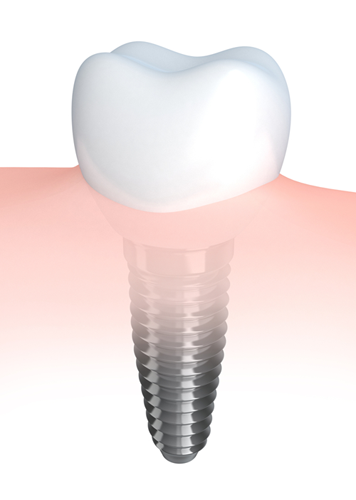
 e, several, or all of your teeth. They can be used in place of bridges or dentures. Good candidates have healthy gums and are old enough so that their jawbone has stopped growing. You should also have enough bone to support and anchor the implants. Even if you have lost bone in your jaw, however, you may still be a good candidate for implants. In fact, dental implants may be recommended to prevent further bone loss. In these situations, bone can actually be rebuilt with grafting procedures as part of the implant process.
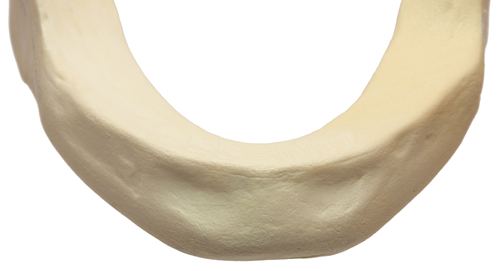
 Reasons for Bone Grafting. There are many different reasons that a person loses bone support in the jaw. Sometimes it is due to injury, sometimes it because of missing teeth, and other times it is a due to a developmental defect or periodontitis. Bone graft surgery, also called regenerative surgery, is used to replace bone and soft tissue by actually stimulating the body’s natural ability to re-grow the lost tissue. If your jawbone is inadequate to support dental implants, bone grafting can be used to build a sturdy foundation for implant-supported teeth.
 Facial lacerations can be a scary situation for anyone. That is why it’s best to visit experts, like us, who have experience in treating and repairing facial injuries and trauma. However, we know that your recovery doesn’t end the moment you leave our doors. We want you to have the best outcome following surgery, which is why we’re writing this to answer some of your most common questions and to give you our best tips for treating your wound as it heals.